Many new developments in computing, in particular the transition from numerical processing to textual modelling, are making deep inroads into geospatial applications. Not one model but many of the same system, increasingly called digital twins, are fast emerging while new forms of big data collected from a huge variety of sensors are dominating new ways to represent and model the geospatial world. Many of these developments are being informed by AI which is rapidly moving from early ideas on machine learning to large language models. This in turn is changing the nature of modelling and is likely to have profound implications for our theories about how cities form and function. In this lecture, I will illustrate many of these ideas using the large scale digital twin of the British urban system that we have been developing over the time when many of these new technologies have been developed
Speaker
University College London, United Kingdom
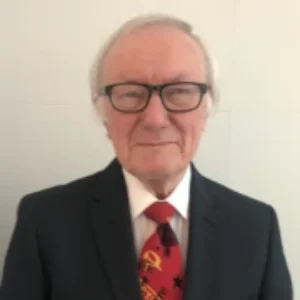
Prof Michael Batty
Michael Batty is Bartlett Professor of Planning at UCL and Chair of the Centre for Advanced Spatial Analysis. He has worked on computer models of cities since the 1970s and his most recent book The Computable City(2024) is a history of how computers and digital technologies are changing the form and function of cities. From 1979 to 1990, he was Professor of Town Planning at the University of Wales at Cardiff, and from 1990-1995, Associate Director of the NCGIA at the State University of New York at Buffalo. He is a Fellow of the British Academy (FBA) and the Royal Society (FRS), was awarded the CBE in in 2004 and the Gold Medals of the RGS in 2015 and the RTPI in 2016. He is a foreign Academician of the China Academy of Sciences and a Foreign Fellow of the Indian National Science Academy.